Blankets and quilts serve as essential elements in thermal comfort, interior design, and daily living. In this category, textiles such as Tex Bedcover stand out for their fabric composition, weave patterns, and weight that influence warmth, breathability, and drape. Understanding fabric blends and care requirements helps optimize comfort across seasons and usage scenarios within bedding systems.
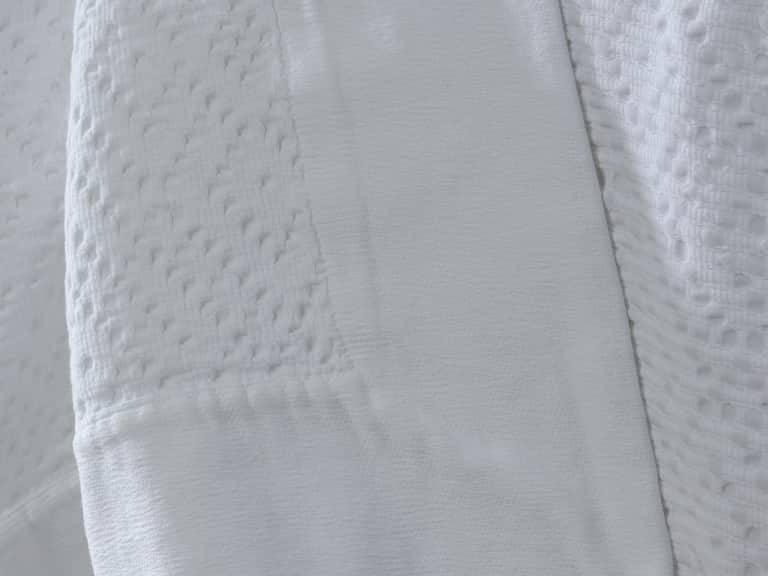
Tex Bedcover features are foundational to evaluating suitability for beds, couches, or guest rooms. Consider thread count, fiber content, and finish as these affect softness, durability, and maintenance. Functional benefits often include insulation, moisture management, and ease of laundering, making them practical for year-round use in homes focused on practical bedding solutions.
When selecting blankets or quilts, users should assess thermal rating, fiber type, and construction method. Natural fibers like cotton and linen blends promote airflow and hypoallergenic properties, while synthetic blends may enhance durability and ease of care. Compatibility with existing pillows, bed linens, and bath textiles supports cohesive sleeping environments.
Tex Bedcover’s design attributes—such as weight, quilting pattern, and edge finishing—play a role in durability and aesthetics. A well-chosen bedcover can provide a balanced silhouette, reduce heat loss at night, and facilitate temperature regulation. The item’s functional benefits extend to protective layering for bedding ensembles and convenient storage when not in use.
In consideration of broader textile categories such as bedding, clothing and accessories, blankets and quilts bridge comfort, function, and style. Key factors include fabric origin, care guidelines, and compatibility with pillows and bath towels in coordinated spaces. This alignment supports practical living where warmth, softness, and usability are prioritized throughout the home.
 Bedding